Overview
An early morning departure from a nearby town like Arusha or Moshi, driving to the crater, and descending for a full day of game viewing with a picnic lunch on the crater floor. The tour ends with a drive back in the late afternoon/evening. This full day allows for the high possibility of spotting the “Big Five” and seeing a variety of ecosystems within the crate
Highlights
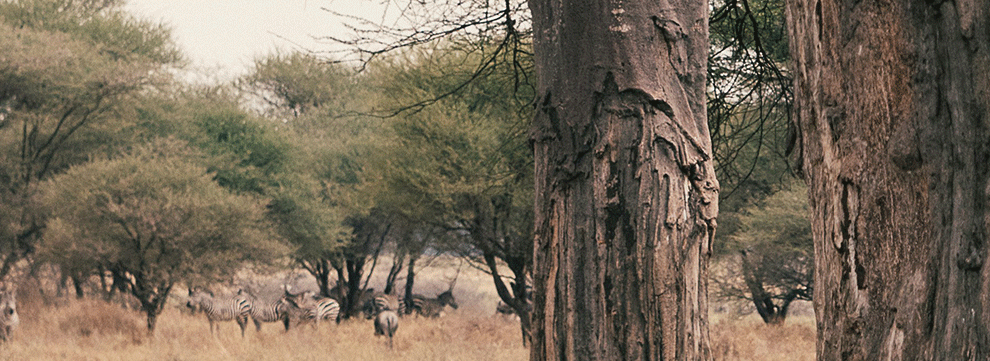
- Wildlife viewing: You can expect to see a high density of animals in a relatively compact area, with a good chance of spotting the "Big Five" (lion, leopard, elephant, rhino, and buffalo).
- Scenery: The landscape itself is spectacular, with the crater offering a dramatic backdrop for wildlife viewing.
- Lunch: A packed lunch is standard, enjoyed at a designated picnic site on the crater floor.
- Other animals: Look for wildebeest, zebra, hyena, and a variety of birds, including flamingos, which are often found on the lake.
Itinerary
Drive to Ngorongoro: Travel to the Ngorongoro Conservation Area gate, a journey of about 190 km.
Once inside, descend to the crater floor for an in-depth exploration of its unique ecosystem.
Enjoy a game drive throughout the various habitats, from woodlands to plains and the central lake. Have a picnic lunch by a hippo pool on the crater floor.
Continue your game drive, looking for wildlife like black rhinos and flamingos.
After your game drive, ascend the crater rim and begin the drive back to your hotel, ending the tour upon arrival.
Cost
The Cost Includes
- 2 bottles of mineral water per client per day while on safari
- Transport in a 4x4 Land cruiser in Tanzania with roof hatch for game viewing
- Government Taxes
- Accommodation in Arusha B/B
- All Equipment
- Game drives as mentioned
- Picnic lunches where mentioned
- Airport Transfers
- Services of professional driver-guide while on Safari
- Park entrance fees to the park for clients
- Entrance fees to the park for Car and driver
- Window seat is guaranteed for every passenger
The Cost Excludes
- TIPS ON WHAT TO BRING
- Walking Boots, Training shoes, Water proof Jacket, Pants, Shirts, Trousers, Skirts, Socks, Gloves, Sun Hat,
- Balaclava / Woolen Hat, Gaiters, Thermal Underwear, Towel, Toiletries, Toilet Paper, Sun Glasses, Snow
- Goggles, Water Bottle, Walking Pole, Crampons, Torch / Flash light, Sun Cream/Sun block, lip salve,
- Whistle, Penknife, Day pack, Camera, Films, Emergency Foil Blanket, Four season Sleeping Bag, Heavy
- Duty plastic Bags, water Purification Kit and First Aid Kit.
FAQs
Annapurna Base Camp is a Grade B or a moderately difficult trekking route. So any fit person can do this trek, even if you do not have any previous experience. You should be aware of what to expect and mentally prepare for it. Then, as long as you will too, you can.
On average, you walk about 4 to 6 hours per day. One or two days can be as less as 3hrs and one or two days can be as long as 7hrs.
The highest altitude reached is 4190m. This is the elevation of Annapurna Base Camp. ABC is the highest we will climb in this trek.
Yes, you can charge batteries en route. Charger should be brought. There are hot shower facilities as well. You may have to pay a certain amount for both ($1-$2). Negotiate. Also, a hot water facility could be free at a lower elevation.
No. There are no ATMs on this trek route. You will have to draw enough cash in Pokhara or Kathmandu. There are a number of ATMs in these cities. Everything is paid in Nepali rupees. So money should be exchanged before the start of the trek.
Yes. The Internet can be accessed in most places. Sometimes, there might be some technical problems. The Internet in Nepal is not as fast as you are used to and at times you can just lose connection.
Not really. It depends on you. If you want, ABC trekking can be done independently. You could hire a guide and a porter by yourself instead of going through an agency or not hire a guide at all. Although, not having a guide can be a little problematic during the offseason.
It really depends on you. Is it your first time in Nepal? How confident are you of being able to find your way around? How pressed on time are you? If you go through an agency, it will be costlier but everything will be planned. You will only have to come, trek and return.
For the Annapurna region, pay for guides range from $20 to $30 per day and porters take $15 to $25 per day.